


The era of “gut feeling” business management is fading. In 2026, the competitive edge belongs to leaders who leverage data and automation. AI in business management has transitioned from a buzzword to a fundamental necessity for survival and growth.
Whether you are a solo entrepreneur running an e-commerce store or a manager in a growing agency, Artificial Intelligence is the great equalizer. It allows small teams to compete with industry giants by automating the mundane and illuminating the strategic.
In this guide, we explore how you can use AI for operational efficiency in business and the best AI tools for small business decision making available today.
🚀 Key Takeaways
- Efficiency: AI can automate up to 40% of routine administrative tasks.
- Decision Making: Predictive analytics tools help you foresee market trends before they happen.
- Accessibility: You don’t need a data scientist; modern AI tools are plug-and-play for small businesses.
Why AI is Essential for Modern Management
Implementing AI in business management isn’t about replacing human managers; it’s about augmenting their capabilities. AI acts as a 24/7 analyst, operations manager, and customer support agent all rolled into one.
By processing vast amounts of data faster than any human team could, AI frees up your brainpower for what matters most: creativity, strategy, and relationship building.

Boosting Operational Efficiency with AI
The most immediate impact of Artificial Intelligence is seen in day-to-day operations. AI for operational efficiency in business focuses on removing friction from your workflows.
1. Automated Customer Support
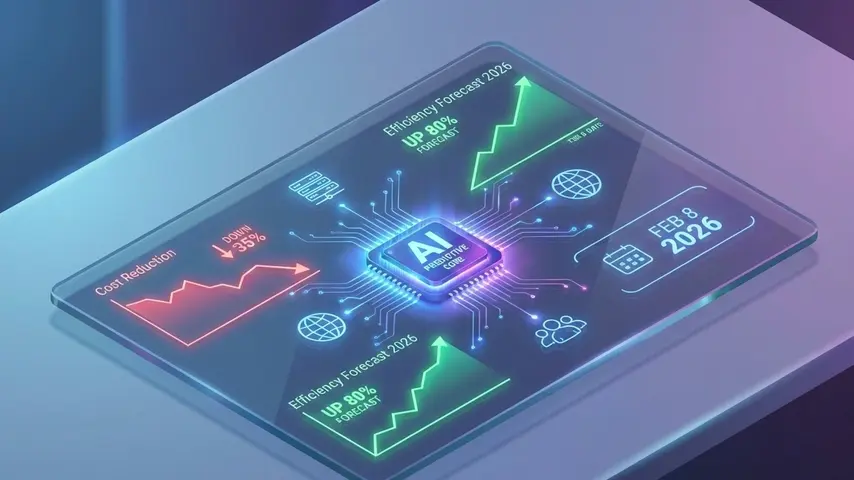
Gone are the days of making customers wait 24 hours for an email reply. AI-driven chatbots (like Intercom Fin or ChatGPT-integrated support) can handle up to 80% of routine queries instantly. They can track orders, answer FAQs, and even process returns, ensuring your business runs smoothly while you sleep.


2. Intelligent Inventory Management
For retail and e-commerce businesses, stockouts are a nightmare. AI tools analyze historical sales data, seasonal trends, and even weather forecasts to predict exactly how much inventory you need. This reduces storage costs and prevents lost revenue from “out of stock” items.
3. Streamlined HR and Recruitment
Sifting through hundreds of resumes is time-consuming. AI-powered HR tools can scan CVs for specific keywords and skills, ranking candidates automatically. This ensures you spend your time interviewing only the top 10% of applicants.
Top AI Tools for Small Business Decision Making
Making the right call at the right time is difficult. AI tools for small business decision making remove the guesswork by providing data-backed insights. Here are the top categories to consider:
1. Financial Forecasting (The “CFO” in Your Pocket)
Tools like QuickBooks Online Advanced and Xero now integrate AI to predict cash flow. They analyze your past income and expenses to forecast your bank balance 30, 60, or 90 days out. This helps you decide when to invest in new equipment or when to tighten the budget.
2. Customer Relationship Management (CRM)
Platforms like HubSpot and Salesforce Einstein use AI to score leads. Instead of calling every prospect, the AI tells you: “Call John Doe today; based on his website activity, he is 90% likely to buy.” This dramatically increases sales team efficiency.
3. Project Management Intelligence
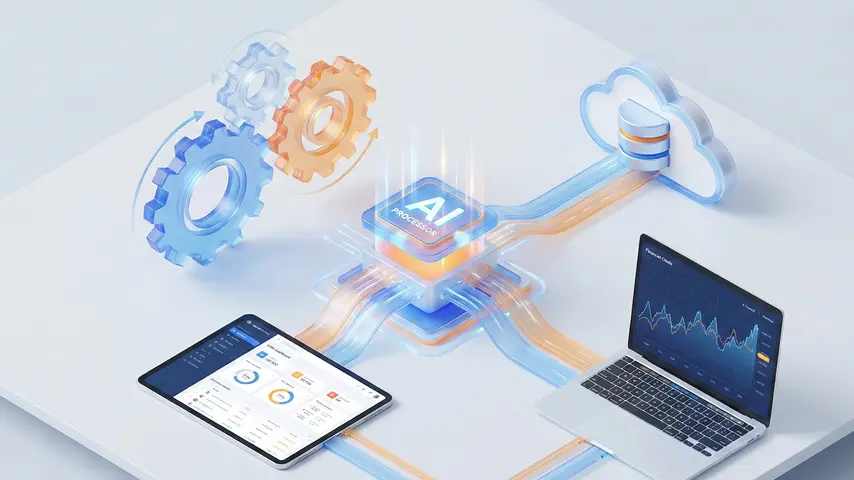
Tools like Notion AI, ClickUp, and Asana maximize team productivity. They can automatically summarize meeting notes, generate action items, and identify potential bottlenecks in your project timeline before they cause delays.
| Business Area | Recommended AI Tool | Key Benefit |
|---|---|---|
| Marketing | Jasper / ChatGPT | Content creation at scale |
| Sales | Apollo.io | Automated outreach & lead scoring |
| Meetings | Otter.ai / Fireflies | Auto-transcription & summaries |
Overcoming the Challenges of AI Adoption
While the benefits of AI in business management are clear, adoption comes with challenges. Data privacy is paramount—ensure you are not feeding sensitive client data into public AI models. Additionally, there is the “human factor.” Employees may fear replacement.
The Solution: Position AI as a co-pilot, not a replacement. Train your team to use these tools to eliminate the boring parts of their job, allowing them to focus on higher-value work.
Conclusion: The Future is Automated
The businesses that thrive in the next decade will be those that successfully integrate AI for operational efficiency in business strategies today. It is no longer a luxury for large corporations; it is an accessible toolkit for small businesses.
By utilizing the right AI tools for small business decision making, you can reduce costs, predict market shifts, and serve your customers better than ever before.
Ready to streamline your workflow? Check out our review of the Best AI Video Editors for Marketing to automate your content creation next!
How does AI actually improve business decision-making?
AI processes data faster than any human team can. By analyzing historical trends and real-time market data, AI provides predictive insights, helping managers minimize financial risks and identify profitable opportunities before competitors do.
Is AI software expensive for small businesses?
Not anymore. Most modern AI tools operate on a SaaS (Software as a Service) model with affordable monthly subscriptions. Many top tools like Notion, ChatGPT, or HubSpot even offer robust free plans specifically designed for startups and small teams.
Will AI replace human employees in management?
AI is designed to be a “co-pilot,” not a replacement. It excels at automating repetitive administrative tasks (like data entry or scheduling), allowing human employees to focus on high-value tasks like strategy, creativity, and client relationship building.
What are the best AI tools for operational efficiency?
It depends on your specific bottleneck. For project management, ClickUp or Notion AI are top choices. For automated customer support, Intercom is highly rated. For financial forecasting, QuickBooks Online Advanced leads the market.
Is my business data safe when using AI?
Security is a priority. When choosing AI tools, look for SOC 2 compliance and enterprise-grade encryption. However, you should generally avoid entering sensitive trade secrets or personal client data into public, free AI models to ensure maximum privacy.>